Monthly Report - October 2026
More positive news to report this month with most log market fundamentals in a favourable context. Prices are generally firm across domestic and export segments. Demand is strong and the mood in both is positive.
The positive vibes are an interesting phenomenon, when there is so much bad news out there, mostly promulgated by Donald Trump’s stupidities. It appears the rest of us are just getting on with it.
Amazing isn’t it. Donald can announce a wonderful new diesel purchase of initially 300,000 gallons of diesel from Putin and he thinks he is wonderful. This volume of diesel will sustain US consumption for about 4 hours, so I am uncertain how this, and future sales, can be viewed as a good thing given the sales will only serve to assist Putin’s war efforts.
Meanwhile, your average Russian citizen is facing shortages at the pump. Perhaps the “stupid is” statement by Forest Gump might be changed to “bizarre is bizarre as” when one attempts to describe that which surrounds Donald T.
Meanwhile in the world of normality, both China and India are experiencing good demand with sales prices firming albeit not wildly so. China eastern seaboard softwood log inventory has increased by about 120,000 m3 to 2.5mil m3. But this was entirely expected as the China golden week holiday took place whilst vessels filled with NZ logs continued to arrive.
The very positive news out of China is threefold. Softwood log daily usage post-holiday is running well over 60,000 m3 per day as at mid-October. This was expected, but the fact it is happening is improving the air of positivity.
China manufacturing numbers are continuing to improve. This has been described by one market commentator as a clear signal China’s broader manufacturing base is “returning to expansionary territory”. Wood use is a very large component of China manufacturing and the resulting exports which in turn is positive news for Kiwi-forest owners.
China trader margins have closed reflecting some domestic price improvements. To reiterate, trading margins reflect what traders buy the logs for versus what they sell them for. Trading margins have more typically been about negative US$6 – 7 per m3.
As at mid-October the CFR price, being the price landed at a China port, is US$132 per m3. The selling price by traders is currently averaging US$128 with a US$4 loss viewed as positive.
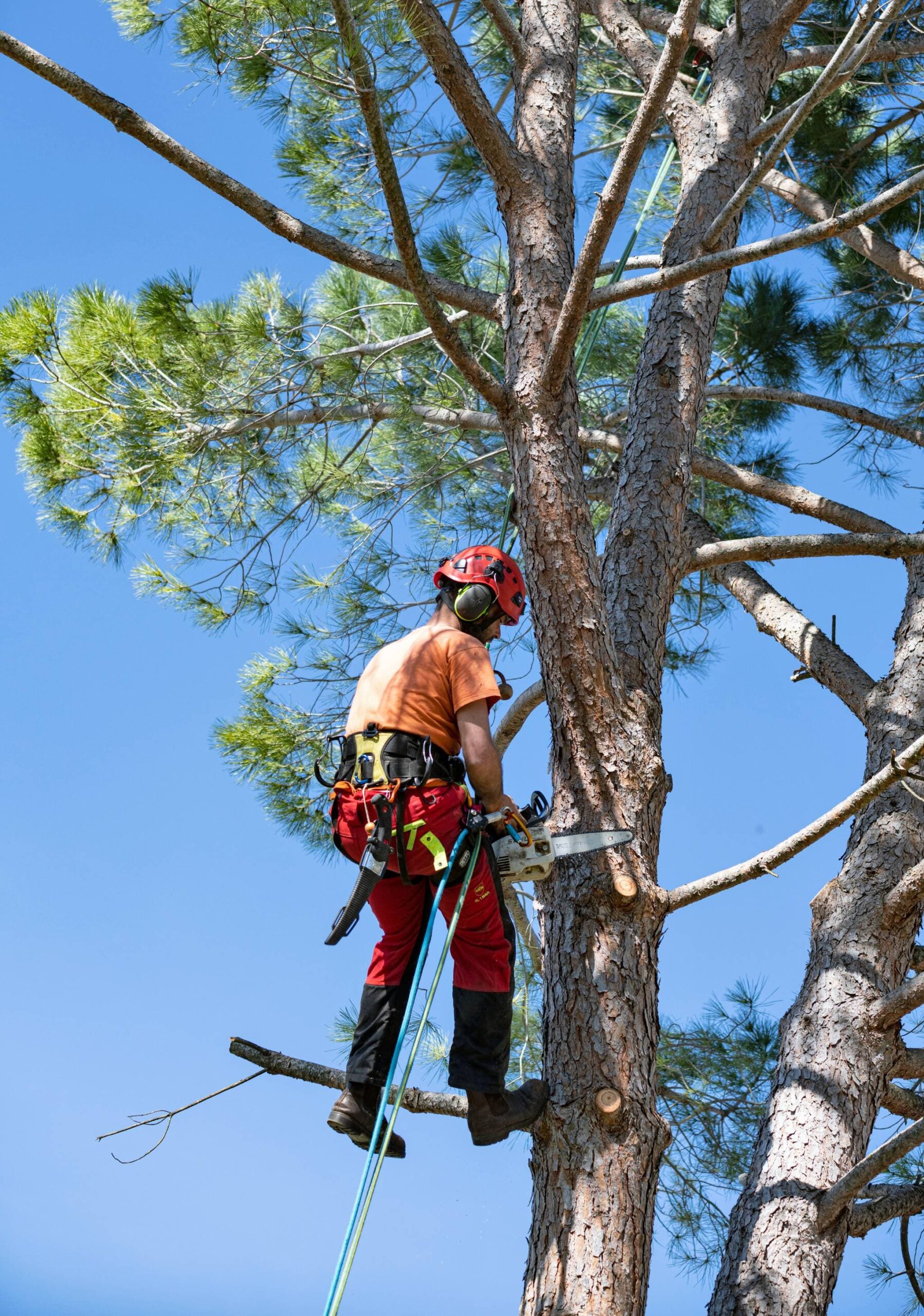
I was asked recently what the impacts of diesel cost increases were across the forestry sector. My research suggests, on an average day there are about 515 logging crews operating in NZ and about 2,500 logging truck and trailer units taking the logs to market.
The combined annual diesel usage of this sector is estimated to be north of 300mil litres per annum, or 1.4mil litres per day. Your average litre of Diesel cost $1.81 in October 2025 and $3.16 in October month to date, a difference of $1.35.
This then tells me the forest harvest and transport sectors are paying north of $400 mil more per annum for diesel than it was a year ago. This equates to close to $2mil per day. These numbers do not include the loaders at sawmills or the plant used by our marshalling and stevedore companies or the many service vehicles used to keep the fleet going.
I cannot understate how immensely proud everyone in the forestry sector should be. Taking the diesel price challenges head on, keeping the wood moving and ensuring fantastic returns to forest growers, erstwhile not seeking accolade or recognition. This is truly remarkable of the amazing 22,000+ people who are just getting on with it.
I have also been asked to comment on the impacts of the India Free Trade Agreement. The prior to tariff had NZ at a US$6 -$7 per m3 disadvantage compared to other supplies, primarily from Australia and Uruguay.
The removal of this cost imposition will see NZ logs displace Australia logs primarily. NZ logs are much favoured by India sawmill owners, so in the absence of a tariff, NZ log supply should increase or Aussie forest growers will have to discount to maintain market share.
In short, my read of it at the moment is the tariff is unlikely to result in a price increase netted back to NZ but the sales volumes should increase.
As always, please remember the thoroughly important message: ‘It remains fundamentally important, the only way forward for climate, country and the planet, is to get out there and plant more trees”!
Allan Laurie, MNZIF
Laurie Forestry Ltd